
Puppy Care Guide
Week 11 – Pet Registration & Microchipping
“A Responsible Pet Parent Starts with Identification”
By week 11, your puppy is growing fast, exploring confidently, and becoming a true family member. This is also the perfect time to ensure they’re properly identified and registered — a small step that can make all the difference if your pet ever gets lost.
In Canada, identification rules depend on where you live. Most cities strongly recommend — or require — a visible ID tag and a microchip for safety and proof of ownership.
🇨🇦 Understanding Pet Registration in Canada
There’s no federal law requiring pet registration in Canada, but nearly all municipalities have their own regulations. Here’s how it typically works across major cities:
- Toronto, ON: Dogs and cats must be licensed annually. You’ll receive a numbered tag for your pet’s collar.
- Vancouver, BC: Dogs over 3 months old must be licensed.
- Calgary, AB: Both dogs and cats need licenses — over 90% of licensed pets that go missing are successfully returned.
- Montreal, QC: Dogs must be registered and wear their ID tag at all times.
Even if your city doesn’t legally require it, licensing your pet is one of the best ways to protect them and prove ownership.
💉 What Is Microchipping?
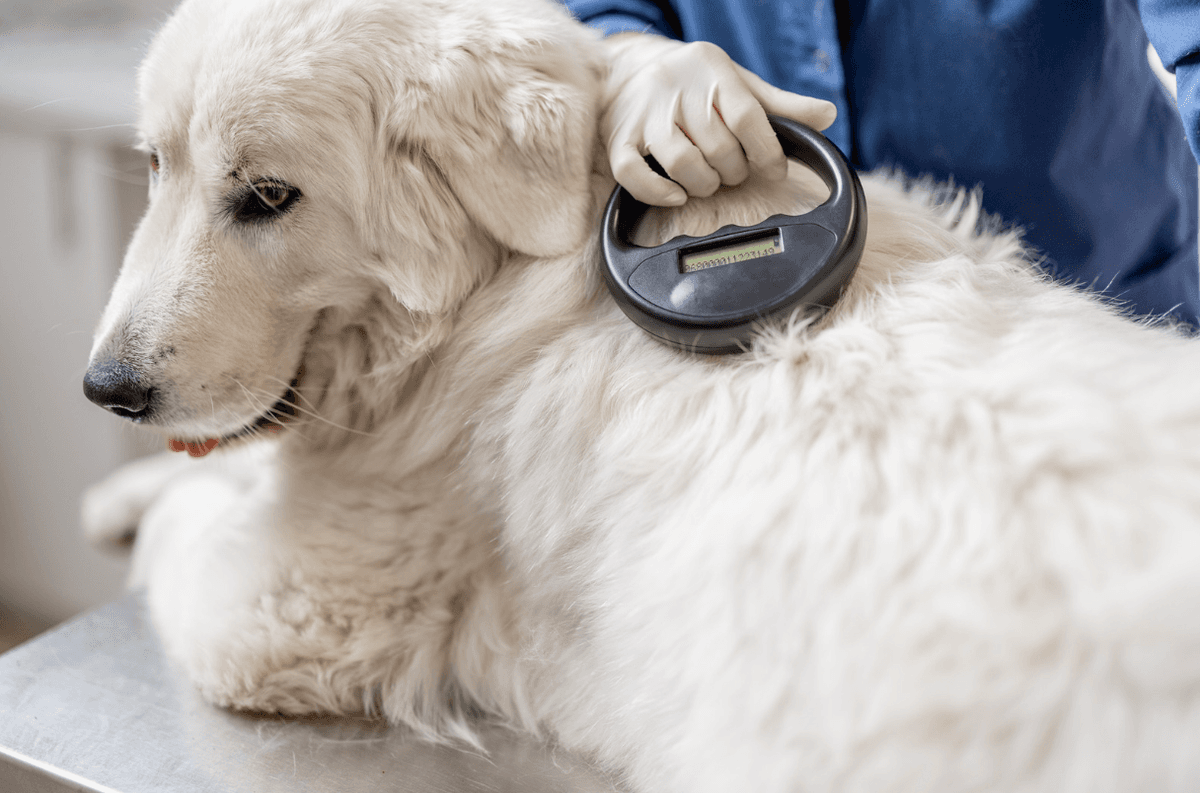
A microchip is a tiny electronic identifier, about the size of a grain of rice, safely implanted under your puppy’s skin — usually between the shoulder blades. It contains a unique ID number that connects to your contact information in a secure national database such as:
- 24Petwatch
- EIDAP
- Canadian Kennel Club registry
Veterinarians and animal shelters can scan this chip to instantly identify your pet and contact you if they ever go missing.
- 💰 Cost: about CAD $60–$100 (one-time)
- 🕒 Best age: around 8–12 weeks
- 📍 Done by: your veterinarian or an authorized clinic
Why It’s So Important
Even the most careful pet owners experience escapes — an open gate, a startled puppy, or a loose leash. A collar tag can fall off, but a microchip stays with your pet for life.
- Permanent identification linked directly to you
- Faster recovery if your pet is lost
- Peace of mind knowing your puppy can always find the way home
Many Canadian shelters and rescues scan every incoming pet for a chip before adoption — reuniting families separated for months or even years.
🏥 Find Nearby Veterinary Clinics
Need help with microchipping or licensing? Visit a trusted veterinary clinic near you. PetGo’s Veterinary Care section lets you easily locate local clinics, read reviews, and even book appointments online.
Find Clinics Near You >🪪 How to Register Your Pet in Canada
- Check your city’s website (e.g., Toronto Animal Services, Calgary Animal Services)
- Apply for a pet license — typically $25–$40 per year
- Attach the tag to your puppy’s collar
- Microchip your pet during a regular vet visit
- Update your contact info whenever you move or change numbers
Together, these steps create a layered safety system — visible ID + permanent microchip = lifelong protection.
🩺 After Microchipping
After the chip is implanted, your puppy may feel a small pinch, similar to a vaccination. Avoid bathing for about 24–48 hours to allow the skin to settle.
Some sensitive puppies may feel sleepy or mildly sore — that’s completely normal. Let them rest comfortably and offer gentle reassurance.
PetGo Tip
In Canada, registration isn’t just about city rules — it’s an act of love and responsibility. By ensuring your puppy has both a visible ID tag and a microchip, you’re giving them the best chance of returning home safely.
- Visit your local animal services website today
- Ask your veterinarian about microchip registration partners
- Keep your puppy’s tag on their collar at all times
A quick visit now can protect your pet for a lifetime. 🐶💕
Continue with PetGo’s Puppy Care Guide
Responsible care starts with love, guidance, and protection. PetGo will continue to guide you every step of the way — with trusted insights, community stories, and helpful tools for your pet’s growth.

© 2025 PetGo. All Rights Reserved